
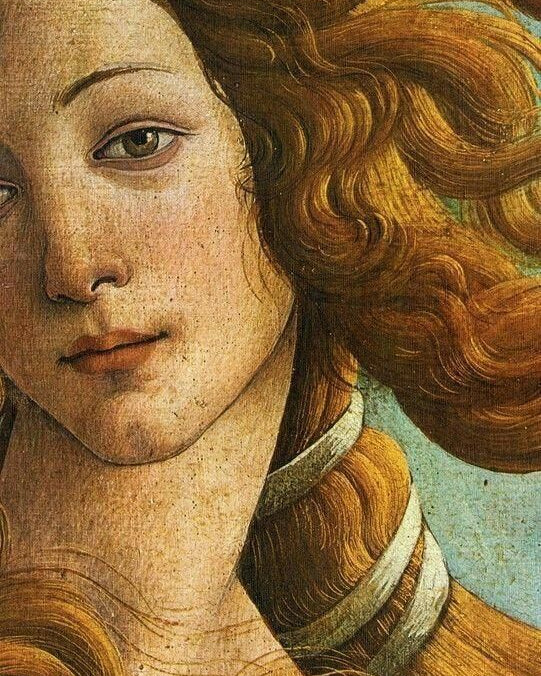

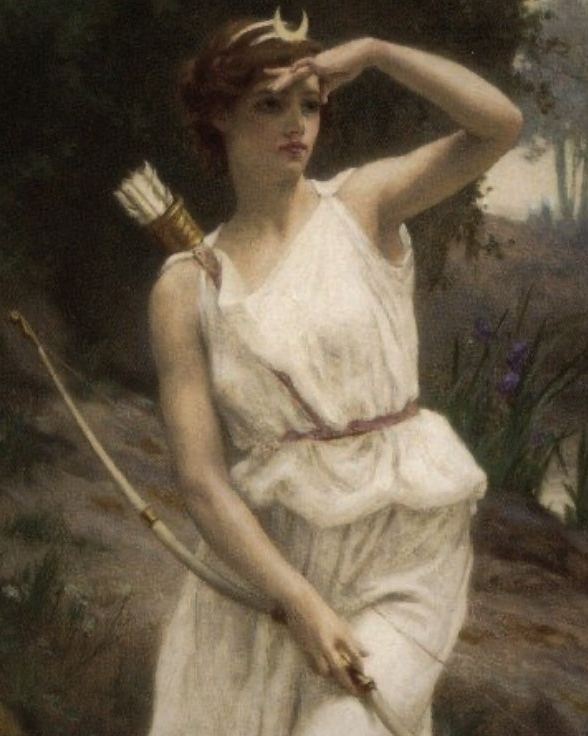
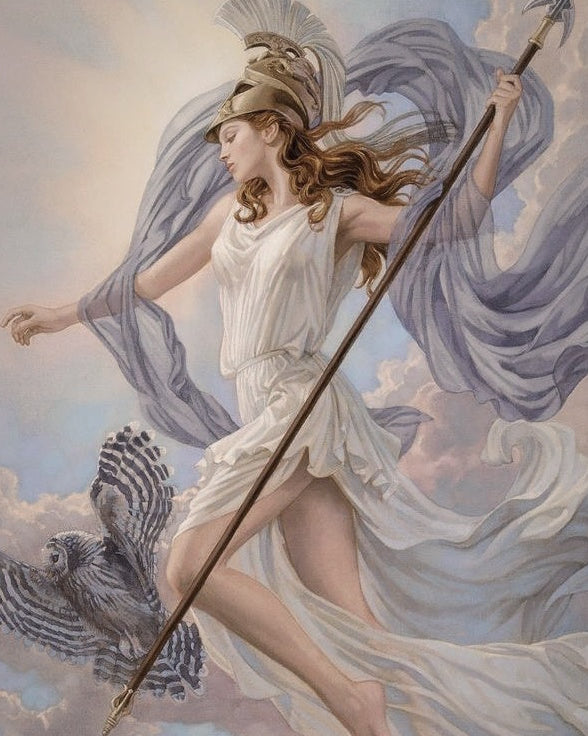
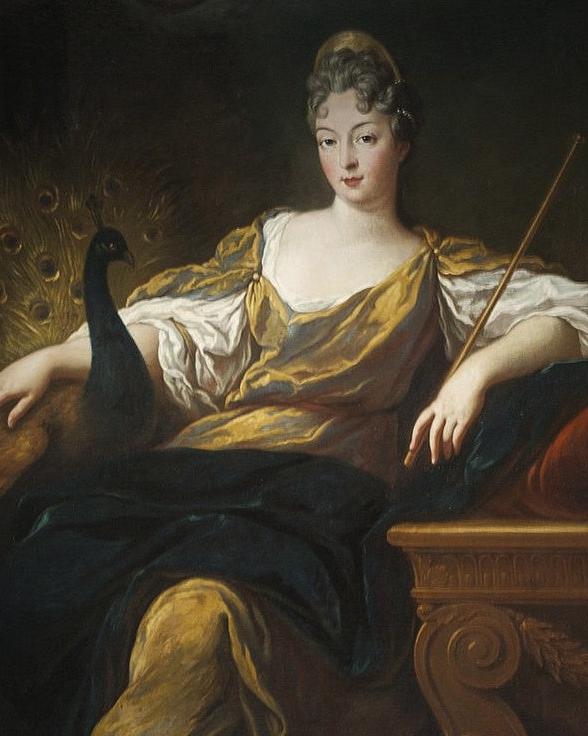
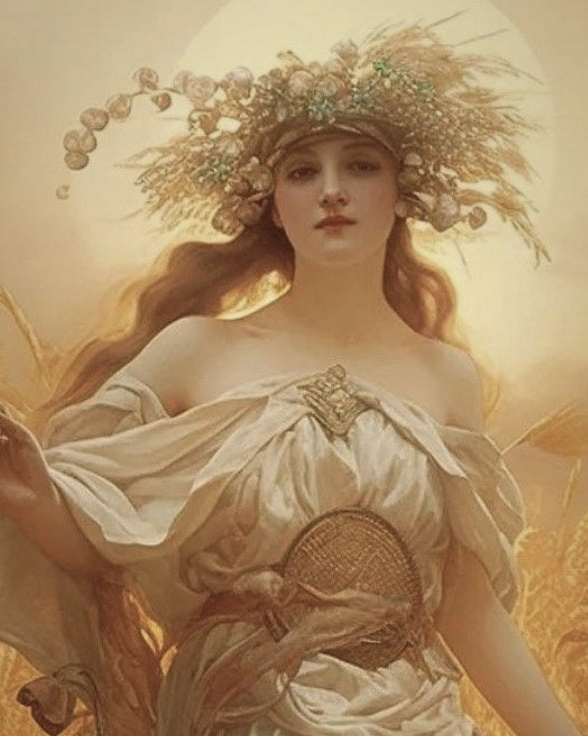



Persephone is the Greek goddess most closely associated with spring, but her meaning goes far beyond flowers and seasonal beauty. In Greek mythology, she represents the return of life after darkness, the movement between innocence and experience, and the mysterious cycle through which loss can become renewal. This is why Persephone continues to fascinate not only readers of myth, but also women seeking a deeper spiritual language for growth, healing, and feminine transformation.
Her story speaks to something many women recognize in their own lives. There are seasons of descent, seasons of waiting, and seasons when something buried begins to rise again. Because of this, Persephone is not only a mythological figure tied to the natural world. She is also a spiritual archetype of rebirth, emotional depth, and the kind of feminine power that is shaped through change.
1. Who Is the Greek Goddess of Spring?
When people search for the Greek goddess of spring, they are usually looking for more than a name. They are often looking for the myth, the symbolism, and the deeper reason spring itself became sacred in Greek imagination.
1.1 Persephone as the Greek Goddess of Spring
In Greek mythology, Persephone is the goddess most strongly linked with spring. Her return from the underworld marks the moment when the earth begins to bloom again, when warmth returns, and when life rises after the stillness of winter. Because of this, she becomes more than a seasonal figure. She carries the emotional meaning of spring itself: hope after loss, beauty after barrenness, and the quiet miracle of beginning again. This is why Persephone is often described as the Greek goddess of spring, even though her story also reaches into much darker and deeper realms.
1.2 More Than a Mythological Figure
What makes Persephone so enduring is that she does not remain only a character in an ancient story. Over time, she has also come to represent a feminine archetype of growth, transition, and inner renewal. She reflects the experience of being changed by life and discovering that change can become a source of power rather than only pain. For many modern women, Persephone feels meaningful because she speaks to emotional cycles, identity shifts, and the hidden process of becoming someone new.
2. Persephone in Greek Mythology: The Goddess of Spring
To understand why Persephone became the goddess of spring, it helps to return to the myth itself. Her story is one of daughterhood, loss, descent, and return, and each part of that story shapes the meaning she carries.
2.1 The Daughter of Demeter
Persephone is the daughter of Demeter, the Greek goddess of agriculture, fertility, and the abundance of the earth. This maternal connection matters because Demeter governs harvest, grain, and the life-giving rhythms of nature, so Persephone’s identity is deeply tied to the natural world from the beginning. As Demeter’s daughter, she belongs to the fertile fields, the blossoming land, and the promise of life that returns each year. This is one reason the phrase Persephone goddess of spring feels so natural. She is born into a mythic world where feminine life, nature, and seasonal change are already inseparable.
2.2 The Abduction by Hades
The best-known part of Persephone’s myth begins when Hades takes her into the underworld. Demeter, devastated by the loss of her daughter, withdraws her blessing from the earth, and the land becomes barren. Crops fail, flowers disappear, and the world enters a kind of mythic winter. Only when Persephone is allowed to return does growth begin again. This is how the myth explains the seasons: spring comes when Persephone rises from the underworld and rejoins the living world. Yet because she has eaten pomegranate seeds below, she cannot remain on earth forever. She must move between worlds, and that movement becomes the sacred pattern of death, waiting, and rebirth that defines her symbolism.
3. Why Persephone Represents Spring and Rebirth
Persephone does not represent spring only because she returns when flowers bloom. She represents spring because her whole story is about what comes back to life after being changed by darkness.
3.1 The Cycle of Death and Renewal
At the symbolic level, Persephone embodies the cycle of descent and return. Winter in her story becomes a time of absence, stillness, and hidden life, while spring becomes the season when what seemed lost begins to reappear. This is why her myth resonates so deeply on a spiritual level. She reflects the truth that renewal is rarely instant. It often follows a period of silence, grief, uncertainty, or emotional dormancy. In this way, Persephone becomes a goddess not only of blooming, but of the hidden process that makes blooming possible. She symbolizes inner rebirth, emotional healing, and the return of vitality after a long inward season.
3.2 Feminine Transformation and Inner Power
Persephone also represents a distinctly feminine form of transformation. At the beginning of the myth, she is often imagined as a young maiden closely tied to innocence and daughterhood. But her journey into the underworld changes her. When she returns, she is no longer only the girl she once was. She also carries the depth, gravity, and authority of one who has entered darkness and survived it. This is what gives Persephone such power as a spiritual figure for modern women. She does not become strong by avoiding hardship. She becomes strong through passage, through complexity, and through learning how to belong to herself in more than one world.
4. Symbols Associated With the Greek Goddess of Spring
Persephone’s symbols help turn her myth into something more personal and spiritually legible. They show that her story is not only about a seasonal event, but about feminine mystery, cyclical life, and transformation held in visible form.
4.1 Pomegranates and the Mystery of the Underworld
The pomegranate is one of Persephone’s most powerful symbols because it links beauty with consequence, desire with destiny, and life with death. In the myth, the pomegranate seeds bind her to the underworld and make her story permanently cyclical. Spiritually, the pomegranate often represents transformation, sacred feminine depth, and the truth that once a woman has crossed a certain threshold, she does not return unchanged. It also carries a subtle message about choice and embodiment. Persephone is not only taken by fate; she is also marked by what she has consumed, what she now knows, and what she can no longer unknow.
4.2 Flowers, Seeds, and the Awakening of Life
Flowers and seeds are also central Persephone symbols because they express the visible and invisible sides of spring. Flowers represent beauty, emergence, blooming, and the joy of life returning to the surface. Seeds represent potential, dormancy, and the hidden intelligence of timing. Together, they make Persephone a goddess of both appearance and process. She is the bloom and the buried root, the visible awakening and the secret preparation beneath it. This is why her symbolism feels so rich for women moving through creative renewal, emotional healing, or a new chapter of self-discovery.
| Symbol | Meaning | Connection to Persephone |
| Pomegranate | Transformation | Link between worlds |
| Flowers | Rebirth | Return of spring |
| Seeds | New beginnings | Cycle of life |

5. Persephone as a Modern Spiritual Archetype
Persephone’s story continues to matter because it speaks so clearly to inner life. She is one of the most emotionally recognizable goddesses for women who are moving through change and trying to understand who they are becoming.
5.1 Why Women Connect With Persephone Today
Many women feel drawn to Persephone because her story reflects emotional healing, self-discovery, and the kind of shadow work that happens when life does not stay simple. She gives form to experiences that are often hard to name: feeling suspended between old and new identities, sensing that innocence has been lost, or realizing that growth often asks for descent before return. Persephone helps women feel less alone in these transitions. She suggests that periods of confusion, grief, and inwardness are not signs of failure. They may be part of a deeper initiation into self-knowledge and feminine depth.
5.2 Spring as a Season of Personal Renewal
Spring also makes Persephone especially resonant as a modern archetype because the season itself mirrors personal renewal. It is the time when what was quiet begins to move again, when what felt closed begins to open, and when the body and spirit both sense the possibility of starting over. For many women, this is why spring rituals, reflection practices, and symbolic adornment feel so meaningful. They turn the season into something inward as well as outward. Persephone reminds us that renewal is not only about visible change. It is also about gently trusting that life can return within us, even after a difficult inner winter.
6. Jewelry Inspired by the Greek Goddess of Spring
Persephone’s myth naturally lends itself to symbolic jewelry because her story is already full of image, meaning, and emotional resonance. Jewelry inspired by her does more than reference a goddess. It can become a wearable reminder of rebirth, feminine awakening, and the beauty of returning to oneself.
6.1 The Meaning Behind the Persephone Rebirth Necklace
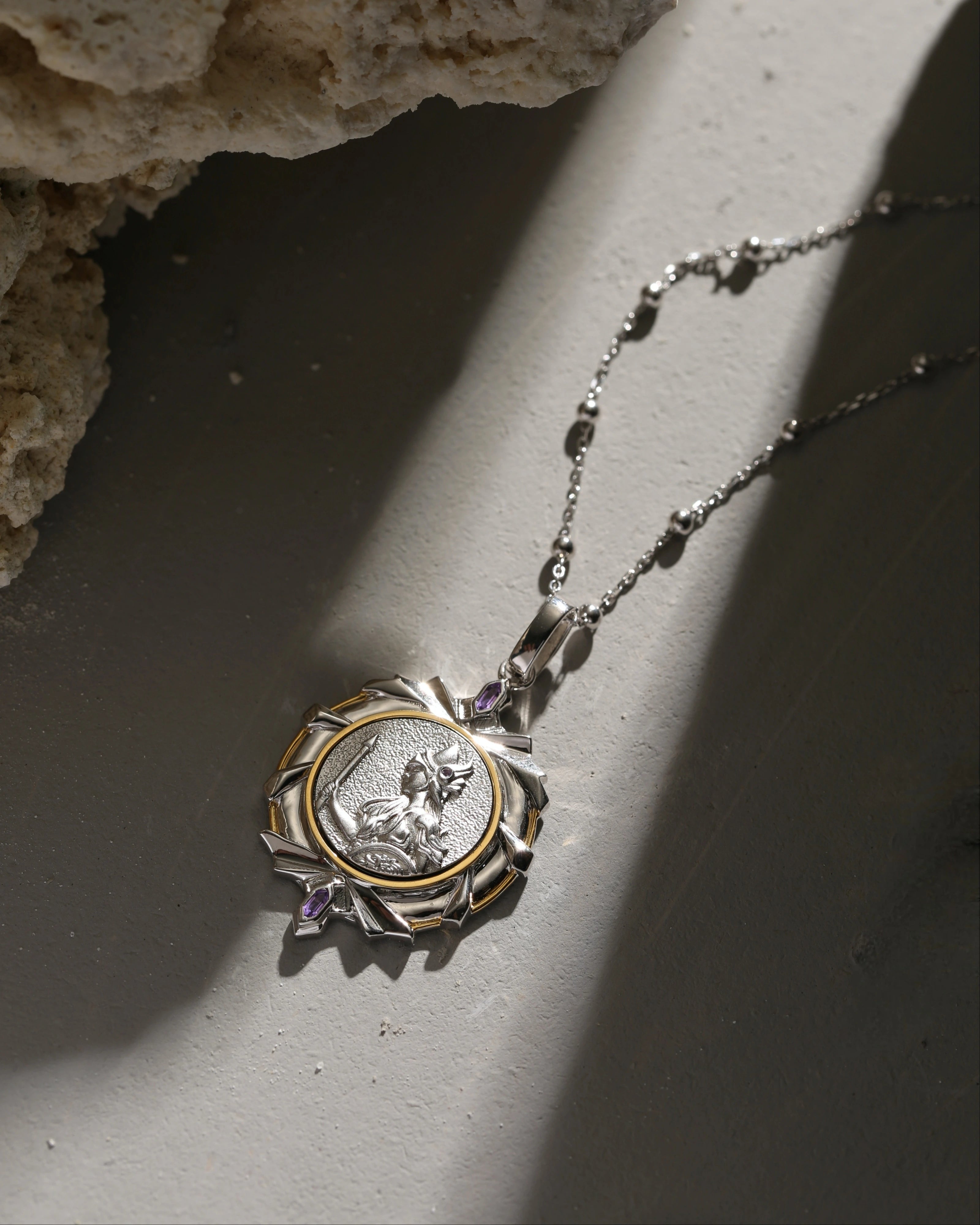
The Persephone Rebirth Necklace reflects the deeper side of Persephone’s myth: the part that speaks to transformation after descent. It resonates with women who know that rebirth is not always soft or simple. Sometimes it comes after heartbreak, confusion, grief, or an inner season that changed everything. This necklace carries the energy of the woman who has moved through darkness and now returns with more depth, more self-awareness, and a quieter but more grounded strength. In that sense, it captures Persephone not only as the goddess of spring, but as the keeper of meaningful return.
H3 The Persephone Spring Necklace and the Energy of Renewal
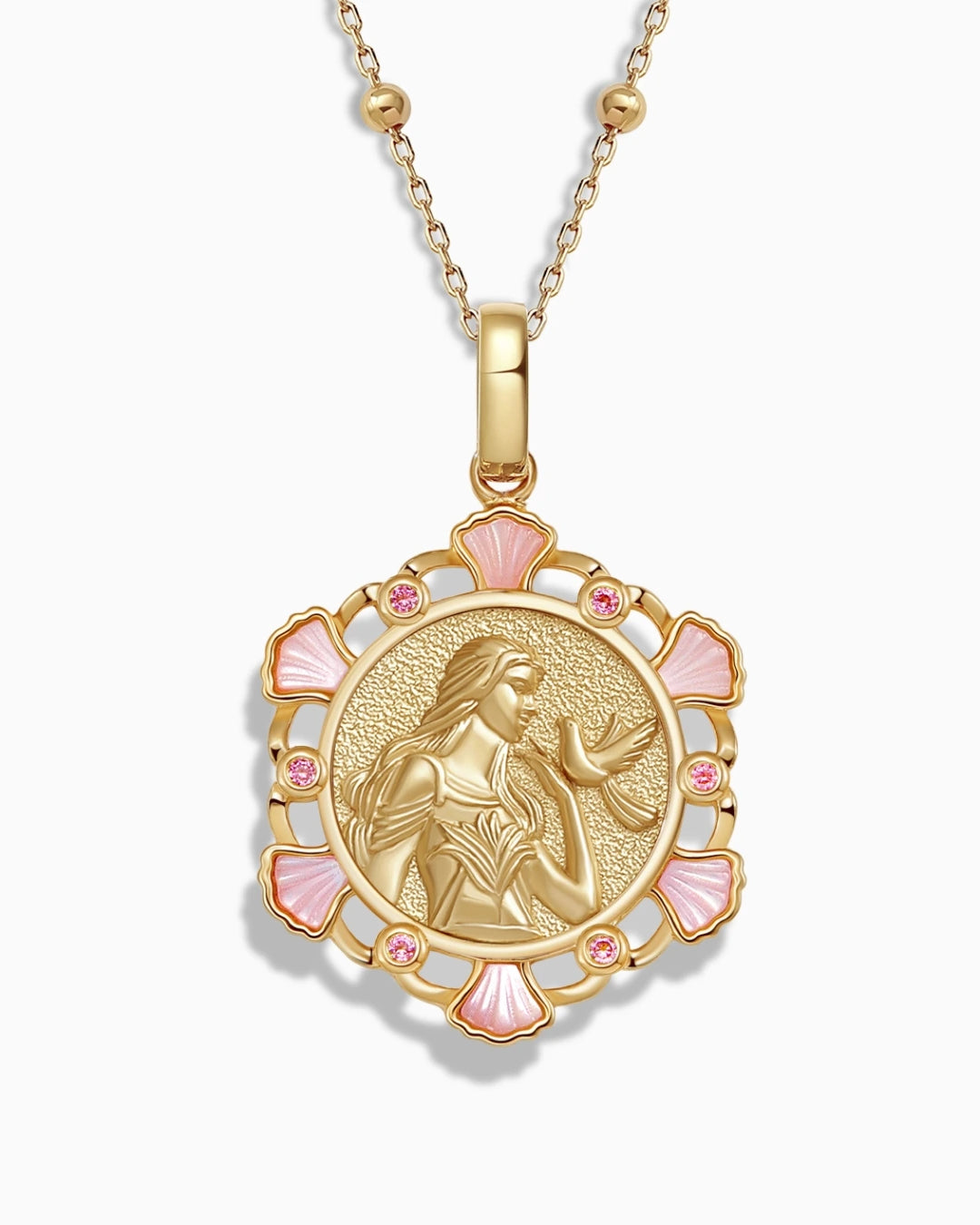
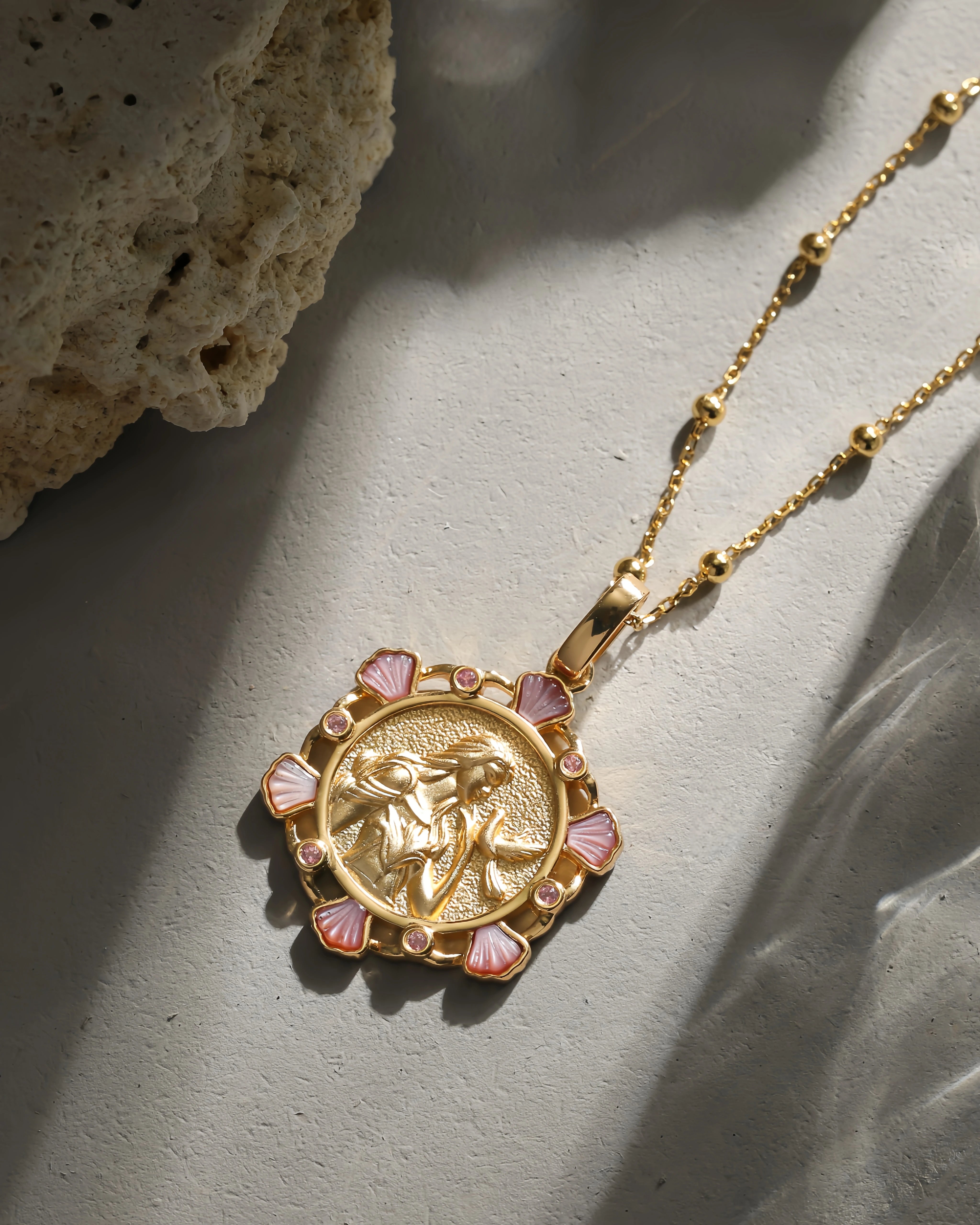
The Persephone Spring Necklace expresses a lighter and more visibly blooming side of the same archetype. It speaks to renewal, softness, and the life force that rises again after stillness. Where the Rebirth Necklace leans into transformation, this piece leans into emergence. It reflects the beauty of opening, creating, and beginning again with intention. Together, the two pieces offer a fuller reading of Persephone’s symbolism: one honors the underworld journey, and the other honors the return of light. For women who feel connected to her, wearing this kind of symbolic jewelry can become a subtle daily ritual of remembrance and alignment.
7. How to Connect With the Energy of the Spring Goddess
Persephone’s energy becomes most powerful when it is not only admired, but practiced. Her symbolism can enter everyday life through quiet rituals, conscious reflection, and small physical reminders of renewal.
7.1 Personal Rituals for Renewal
One way to connect with Persephone is through rituals that support emotional clearing and gentle re-beginning. Journaling can help you name what is ending and what is starting to return. Meditation can create space for listening inwardly after a period of noise or confusion. Nature walks, especially during seasonal transitions, can also become a simple but meaningful way to attune to Persephone’s rhythm. Watching the earth slowly come back to life often mirrors something that is trying to awaken in the self. These practices do not need to be elaborate. Their power comes from helping you recognize your own cycle of descent, rest, and renewal.
7.2 Wearing Symbols of Rebirth
Wearing symbols of rebirth is another intimate way to stay connected to Persephone’s energy. A necklace inspired by spring, return, or feminine transformation can hold intention close to the body and quietly support the emotional process you are moving through. In this sense, jewelry becomes more than decoration. It becomes a marker of meaning. It can remind you that healing is happening even when it is slow, that growth is often cyclical, and that the version of you now emerging deserves to be consciously honored. This is part of why Persephone-inspired jewelry can feel so personal: it helps turn myth into lived spiritual companionship.
FAQ About the Greek Goddess of Spring
Who is the Greek goddess of spring?
The Greek goddess of spring is Persephone. She is associated with the return of life, flowers, warmth, and renewal after winter, especially through her yearly return from the underworld.
Why is Persephone associated with spring?
Persephone is associated with spring because, in Greek mythology, her return to the earth marks the renewal of nature. When she comes back, the land blooms again, which is why her story became connected with the arrival of spring.
What does Persephone symbolize spiritually?
Spiritually, Persephone symbolizes rebirth, transformation, emotional healing, feminine cycles, and the inner power that develops through descent and return. She often represents the process of becoming more whole through lived experience.
What jewelry represents Persephone?
Jewelry that represents Persephone often includes symbols of rebirth, flowers, seeds, pomegranates, and feminine renewal. At Vidawheel, the Persephone Rebirth Necklace and Persephone Spring Necklace both reflect different dimensions of her energy.

