




Hestia is one of the most quietly powerful goddesses in Greek mythology. She is known not for drama or conquest, but for the sacred fire, the hearth, and the still center she protects. This guide explores Hestia’s meaning, her key symbols, and the feminine archetype she represents, while also showing why her calm, inward power still resonates with many modern women today.
1. Who Is the Hestia Goddess?
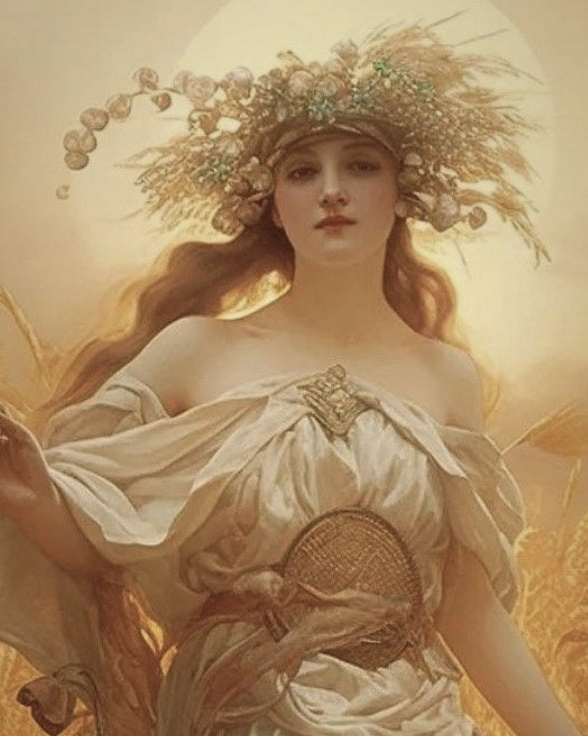
Hestia is the Greek goddess of the hearth, sacred fire, and the quiet center of home life. Among the Olympian goddesses, she is known for being calm, steady, and deeply inward. She does not seek attention, yet her presence holds everything together.
Unlike more dramatic figures in Greek mythology, Hestia represents stability rather than spectacle. Her power is not expressed through conflict, romance, or public influence. It lives in stillness, devotion, and the ability to protect what is essential.
This is why the Hestia goddess archetype still resonates with many modern women. She reflects a form of feminine strength that feels peaceful, grounded, and self-contained. If you often feel most powerful in quiet spaces, private rituals, or a calm home environment, you may already carry Hestia energy within you.
2. Hestia Goddess Meaning in Greek Mythology
Hestia is one of the most understated figures in Greek mythology, yet her meaning is deeply foundational.
2.1 The Greek Goddess of the Hearth and Sacred Flame
Hestia is the goddess of the hearth, the sacred fire that burned at the center of the home and the city. In ancient Greek life, this fire was not just practical. It represented continuity, order, and the life of the household itself. This is why Hestia was honored at the beginning of offerings and rituals. Before turning to other gods, people first acknowledged the flame that held the center.
Her mythology may seem quiet, but her role was essential. While other gods moved through conflict and desire, Hestia remained at the still point of sacred life. She protected the space that allowed family, worship, and community to stay connected. Her power was not in dramatic action. It was in being the center that others returned to.
2.2 Why Hestia Chose Celibacy and Inner Devotion
One of the clearest stories about Hestia is that both Poseidon and Apollo wanted to marry her, yet she refused them. Instead, she vowed to remain a virgin and asked Zeus to let her keep her place by the hearth. This choice is central to her meaning. Hestia turns away from divine competition and chooses inner devotion over relational drama.
This does not make her cold or withdrawn. It shows that she values inner integrity more than external attachment. In myth, she keeps her wholeness by not giving her center away. That is why Hestia still resonates today. She represents a form of feminine completeness that does not depend on being chosen. She shows that peace, self-possession, and spiritual focus can also be sacred forms of power.
3. Hestia Goddess Symbols and Their Spiritual Meaning
Hestia’s symbols are quiet and simple, yet they reveal the heart of her archetype. They help us understand why her energy feels so centered, steady, and spiritually grounding.
3.1 The Sacred Flame
The sacred flame is Hestia’s most important symbol. In Greek life, this fire burned at the center of the home and in public ritual, so it came to represent continuity, devotion, and the steady force that holds life together. Unlike a wild or destructive fire, Hestia’s flame is calm, contained, and enduring. Spiritually, it symbolizes inner awareness and the part of a woman that stays connected to herself even when the outer world feels loud, which is why Hestia energy often feels grounding, focused, and quietly powerful.
3.2 The Hearth and Circular Temple
| Symbol | Spiritual Meaning |
| Flame | Inner awakening |
| Hearth | Emotional stability |
| Circle | Sacred boundaries |
The hearth symbolizes warmth, center, and emotional safety. It is the place that gathers people and makes a home feel alive, so it reflects Hestia’s role as the keeper of sacred inner space. She is also linked to circular temples, which suggest wholeness, stillness, and spiritual containment rather than display or hierarchy. Together, these symbols show that Hestia’s power lives in creating a life with an inner center.
4. The Hestia Archetype in Modern Women
The Hestia archetype becomes easier to recognize when we look at how it appears in real women today. Her energy often shows up not through visibility, but through quiet strength, self-containment, and a deep need for inner peace.
4.1 Personality Traits of a Hestia Woman
A Hestia woman is often introverted, self-sufficient, and inwardly grounded. She usually enjoys solitude, values simplicity, and does not need constant attention to feel secure in herself. Her strength is gentle but steady, and she often feels most nourished in calm spaces that allow her to think, rest, and reconnect with her inner life.
4.2 Signs You Are a Hestia Goddess Archetype
You may be a Hestia archetype if you feel most restored by quiet evenings, private rituals, and the peaceful atmosphere of home. You may not crave visibility, and you may feel stronger when your environment is calm and emotionally clear. If you are unsure which feminine archetype reflects you most deeply, you can explore further through the Goddess Archetype Quiz at Vidawheel.5. Hestia vs Athena vs Hera: Feminine Archetype Comparison
Hestia becomes even clearer when she is placed beside other feminine archetypes. She is not simply “the quiet one.” She represents a very specific kind of feminine power: inward, self-contained, and centered around inner peace.
5.1 Hestia vs Athena
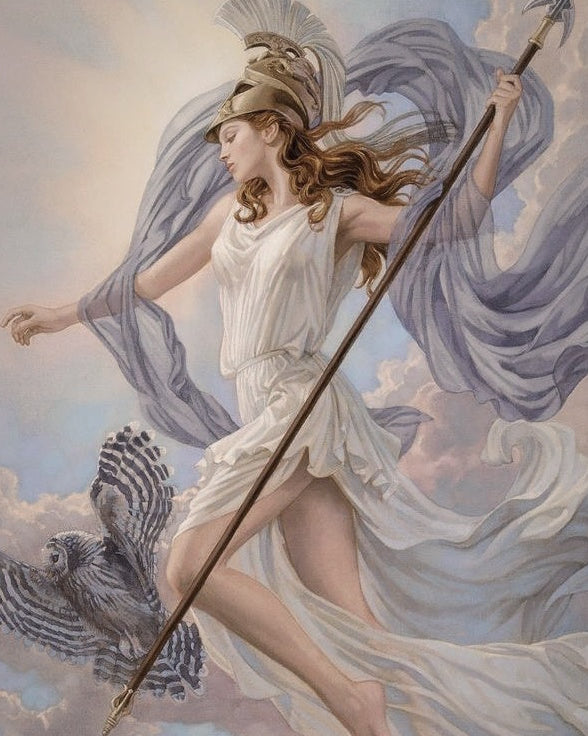
Hestia and Athena both carry independence, but they express it in very different ways. Hestia turns inward. Her wisdom grows through stillness, reflection, and a strong relationship with her inner life. Athena turns outward. Her strength appears through strategy, decision-making, and the ability to act clearly in the external world. A Hestia woman may step back to reconnect with herself, while an Athena woman may step back to think, plan, and solve. Both are capable and self-possessed, but one protects the inner flame and the other masters the outer structure.
5.2 Hestia vs Hera
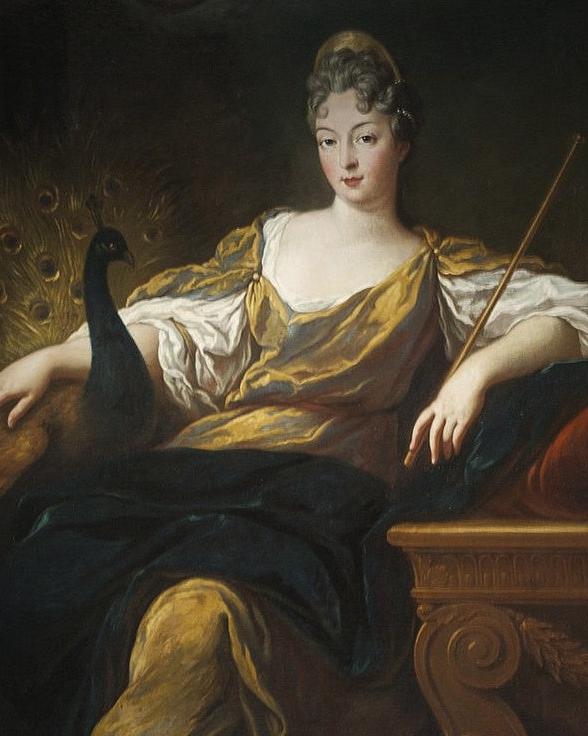
The difference between Hestia and Hera is also deeply meaningful. Hestia is oriented toward inner completeness. She does not need relationship to feel whole. Hera, by contrast, is more relationship-centered and often finds meaning through commitment, devotion, and sacred partnership. Hestia’s center is solitude, peace, and spiritual integrity. Hera’s center is loyalty, union, and the emotional importance of being deeply bonded. Neither is better than the other. They simply reflect different ways feminine energy can organize itself across love, identity, and life purpose.
| Archetype | Core Energy | Main Focus | Common Strength |
| Hestia | Quiet inward presence | Inner peace and sacred space | Emotional steadiness |
| Athena | Strategic intelligence | Action and external mastery | Clear thinking |
| Hera | Relational devotion | Commitment and partnership | Loyal connection |
6. How to Embody Hestia Energy in Daily Life
Hestia is not an archetype that stays in theory for long. Her energy becomes most meaningful when it is lived in small, steady ways. In daily life, embodying Hestia is less about doing more and more about creating conditions that help you return to yourself.
6.1 Creating a Sacred Home Space
One simple way to embody Hestia energy is to create a space in your home that feels calm, warm, and intentional. It does not need to be large or elaborate. A candle, a chair, a journal, or a meaningful object can be enough to mark a corner as yours. What matters is the feeling the space holds. Hestia energy grows where the nervous system can soften, where the mind becomes quieter, and where a woman feels she does not need to perform in order to belong.
6.2 Rituals for Inner Devotion
Hestia also comes alive through quiet daily rituals that help you gather your attention and return to your inner center. Journaling, a few minutes of silence, lighting a candle in the evening, or pulling a tarot card with intention can all become simple practices of devotion. These rituals are not meant to impress anyone. They are meant to help you stay connected to yourself. If you want a gentle symbolic tool for daily reflection, Vidawheel’s Goddess Tarot can also be used as a daily reminder of your feminine energy.
7. The Shadow Side of the Hestia Goddess
Like every feminine archetype, Hestia has a shadow side. Her gifts of solitude, self-containment, and inner peace can become imbalanced when they turn into disconnection. This part of the archetype matters because it helps women tell the difference between true inner grounding and a quiet form of withdrawal.
7.1 Emotional Withdrawal
When Hestia energy moves into shadow, solitude can slowly become emotional distance. A woman may appear calm on the outside, but underneath she may be protecting herself from overwhelm, disappointment, or unmet needs. Instead of using quiet space to reconnect with herself, she may begin using it to disappear from what feels too painful or demanding. In this form, stillness stops feeling nourishing and starts becoming a place of isolation.
7.2 Avoiding Intimacy
The shadow of Hestia can also appear as avoiding intimacy while calling it independence. A woman may become so identified with being self-sufficient that closeness starts to feel intrusive or unsafe. She may not truly lack the desire for connection, but she may fear what relationship could ask of her emotionally. Healing this pattern begins gently. Hestia does not need to lose her inner center in order to love. Her deeper lesson is learning that inner peace and human closeness do not have to cancel each other out.
8. Hestia Goddess and Feminine Spiritual Awakening
Hestia speaks to a form of feminine awakening that is quiet but deeply transformative. She does not awaken women by pushing them outward. She awakens them by bringing them back to their own center, where stillness, clarity, and inner presence begin to feel sacred again.
8.1 The Power of Quiet Women
In modern culture, quiet women are often overlooked because their power does not always appear dramatic or visible. Hestia challenges that pattern by showing that silence, steadiness, and emotional containment can also hold real spiritual strength. A quiet woman may not seek attention, yet she can bring calm to a space, create safety for others, and carry a depth that does not need performance to be felt.
8.2 Sacred Stillness as Resistance
Hestia also reminds us that stillness can be a form of resistance in a world shaped by speed, noise, and constant pressure. Choosing a slower rhythm, protecting inner peace, and returning to simple sacred rituals can become ways of staying connected to the self. At Vidawheel, we honor divine feminine archetypes that awaken women’s inner flame, and Hestia especially reminds us that feminine power is not always loud. Sometimes it lives in the woman who stays deeply rooted in herself.
9. Frequently Asked Questions About Hestia Goddess
Hestia is often understood through a few key themes: hearth, sacred fire, inner peace, and spiritual devotion. These common questions help clarify both her mythological role and why her archetype still feels meaningful today.
What is Hestia the goddess of?
Hestia is the Greek goddess of the hearth, sacred fire, home, and the quiet spiritual center of both family and civic life. She represents stability, devotion, and the kind of feminine presence that holds space rather than seeking attention.
What are Hestia’s symbols?
Hestia’s main symbols are the sacred flame, the hearth, and sometimes the circular temple. Together, they represent warmth, inner grounding, wholeness, and the steady inner life that her archetype is known for.
Is Hestia one of the 12 Olympians?
Yes, Hestia is traditionally one of the 12 Olympian gods. In some later traditions, Dionysus appears in her place, but Hestia remains one of the original and most spiritually central Olympian deities.
How do I know if I am a Hestia archetype?
You may resonate with the Hestia archetype if you feel restored by solitude, value peace more than visibility, and feel strongest in quiet, grounded spaces. If you want to explore your feminine pattern more deeply, the Goddess Archetype Quiz at Vidawheel can help.

