







Across mythology, folklore, astrology, and modern spiritual culture, Lilith remains one of the most misunderstood and powerful feminine figures. She is often described in dark or fearful terms, yet many women are drawn to her for a very different reason. Lilith speaks to the parts of feminine energy that refuse to shrink, obey, or disappear in order to be accepted.
This is why the Lilith goddess and the Lilith symbol continue to feel so relevant today. She has come to represent independence, desire, emotional truth, and the courage to stay connected to the self even when that truth feels uncomfortable. In modern spiritual practice, Lilith is no longer seen only as a frightening figure from old stories. She is also understood as an archetype of feminine autonomy, shadow integration, and inner power.
1. Who Is Lilith Goddess? The Origins of a Powerful Feminine Archetype
To understand why Lilith carries such strong meaning, it helps to begin with her origins. Her story changes across time, but the core themes around her remain strikingly consistent.
1.1 Lilith in Ancient Mythology
Lilith does not come from one single myth. Her roots are often traced back to ancient Mesopotamian traditions, where female night spirits and untamed feminine figures appeared in mythic language long before later religious texts developed. In Jewish folklore, Lilith becomes more defined and more controversial, especially through the legend that she was Adam’s first wife. In that version, she refuses to remain beneath him and leaves the garden rather than accept submission. Whether read literally, symbolically, or as evolving folklore, these stories shaped Lilith into a figure associated with resistance, danger, exile, and female will.
1.2 Lilith as the First Independent Woman
What continues to make Lilith powerful in modern interpretation is the way she has come to symbolize a woman who refuses unequal terms. In many contemporary readings, Lilith is not important because she is “dark” in a superficial sense. She is important because she represents female autonomy at the exact point where autonomy becomes threatening to systems that expect obedience. She speaks to equality, self-definition, and the refusal to betray one’s inner truth in order to remain accepted. This is why many women see Lilith not as a cautionary tale, but as a mirror of untamed selfhood.
2.The Meaning of the Lilith Symbol
The Lilith symbol carries this mythology into a visual form. It is often small and simple in appearance, yet the layers of meaning behind it are deep and emotionally charged.
2.1 The Traditional Lilith Symbol Design
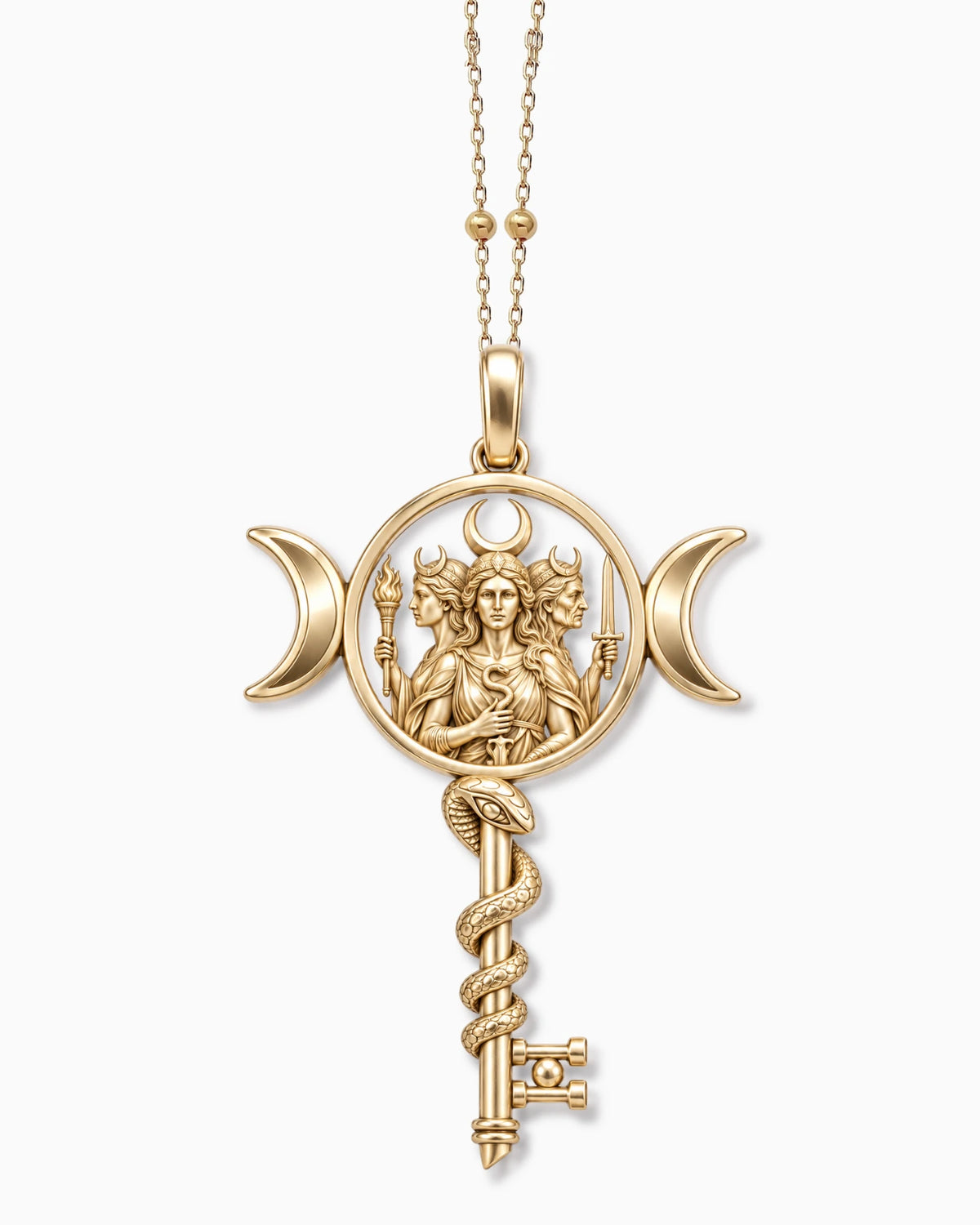
The traditional Lilith symbol is usually shown with a crescent shape at the top and a cross-like form beneath it. The crescent links Lilith to lunar energy, feminine cycles, intuition, and the hidden world of feeling and instinct. The lower structure gives the symbol weight and grounding, making it feel less decorative and more archetypal. Together, the design suggests a feminine power that is instinctive, embodied, and not easily controlled. It feels connected to mystery, but also to self-possession.
2.2 Spiritual Meaning of the Lilith Symbol
Spiritually, the Lilith symbol often represents the shadow self, female independence, and a deeper expression of the divine feminine. It points to the parts of a woman that may have been rejected, hidden, or misunderstood, especially the parts that carry anger, desire, boundary, sexuality, and wild inner knowing. Rather than asking these parts to disappear, the Lilith symbol invites them into consciousness. It becomes a reminder that feminine power is not only soft, nurturing, and relational. It can also be fierce, self-protective, and radically honest.
3. Lilith in Astrology: The Black Moon Lilith
Lilith takes on another layer of meaning in astrology, where she is not treated as a goddess in the mythic sense, but as a symbolic point with powerful psychological and spiritual associations.
3.1 What Is Black Moon Lilith?
In astrology, Black Moon Lilith is not a planet or asteroid. It is a calculated point connected to the moon’s orbit, often described as the lunar apogee. Because of this, it carries a symbolic rather than physical meaning. Astrologically, Black Moon Lilith is often linked to what is unintegrated, rejected, hidden, or difficult to domesticate within the self. It represents energies that do not fit neatly into social expectations, especially around desire, anger, instinct, and feminine power.
3.2 What Lilith Represents in a Birth Chart
In a birth chart, Lilith is often interpreted as showing where a person may feel shame, suppression, intensity, or a strong need for freedom. It can point to buried desires, emotional truth that has been silenced, and the places where feminine rage or resistance may live beneath the surface. For many women, Black Moon Lilith becomes a meaningful part of chart work because it helps name the places where independence, self-protection, and authenticity have been judged or pushed underground. In that sense, Lilith in astrology is less about negativity and more about reclaiming what has been exiled from the self.
4. Lilith as a Symbol of the Divine Feminine
Lilith is often discussed within divine feminine spaces because she represents a side of feminine power that is not always easy, gentle, or socially approved. She expands the feminine rather than softening it.
4.1 Lilith and Feminine Liberation
Lilith has become a symbol of feminine liberation because she refuses oppression at the level of identity itself. She does not only resist a specific rule. She resists the idea that a woman must become smaller, quieter, or more acceptable in order to belong. This is what makes her so resonant for women reclaiming voice, sexuality, truth, and sovereignty. She reminds us that liberation is not always graceful in appearance. Sometimes it begins in refusal, discomfort, and the decision to stop abandoning the self.
4.2 Shadow Work and Personal Growth
Lilith also holds a central role in shadow work because she draws attention to the parts of the psyche that carry taboo emotion or disowned power. She asks women to face what they have been taught to judge within themselves, whether that is anger, desire, refusal, grief, intensity, or the need for stronger boundaries. This does not make her destructive. It makes her honest. When approached with care, Lilith becomes an archetype of personal growth through emotional truth. She teaches that healing is not only about becoming softer. It is also about becoming more whole.
5. Lilith Symbol vs Other Feminine Symbols
The Lilith symbol often feels different from more familiar feminine symbols because it carries a sharper and more transformative emotional charge. It speaks less to harmony and more to reclamation.
5.1 Why Lilith Feels More Intense
Compared with symbols like Venus or the moon in softer spiritual contexts, the Lilith symbol often feels more intense because it is tied to raw feminine energy rather than socially comfortable femininity. It is not mainly about beauty, romance, or receptivity. It is about inner authority, hidden truth, and the parts of the feminine psyche that emerge through rupture, awakening, and deeper self-confrontation. This is why people often experience Lilith not as decorative symbolism, but as a symbol of real inner change.
5.2 When People Are Drawn to Lilith
Many people feel drawn to Lilith during moments of transition, especially when they are healing boundaries, leaving old identities behind, or questioning the roles they have been taught to play. She often appears when a woman is trying to reclaim her voice, trust her anger, or stop betraying herself in order to keep peace. In those seasons, the Lilith symbol can feel like a recognition rather than an aesthetic preference. It names a kind of awakening that is emotionally demanding but deeply clarifying.
| Symbol | Core Meaning | Emotional Tone |
| Lilith | Independence, shadow integration, feminine power | Intense, transformative |
| Venus | Love, beauty, attraction, harmony | Soft, relational |
| Moon | Intuition, cycles, inner life | Reflective, fluid |
6. Why the Lilith Symbol Appears in Spiritual Jewelry
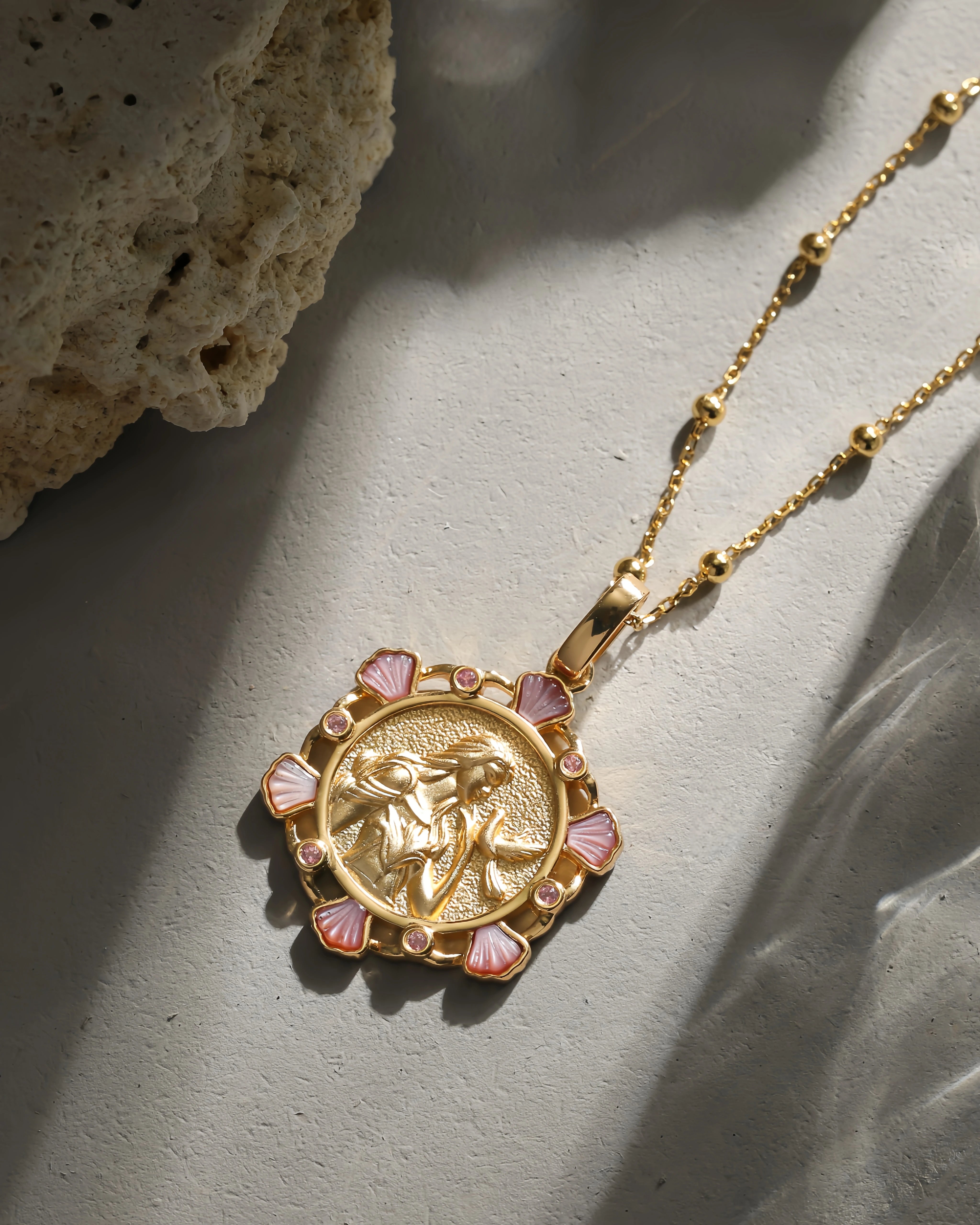
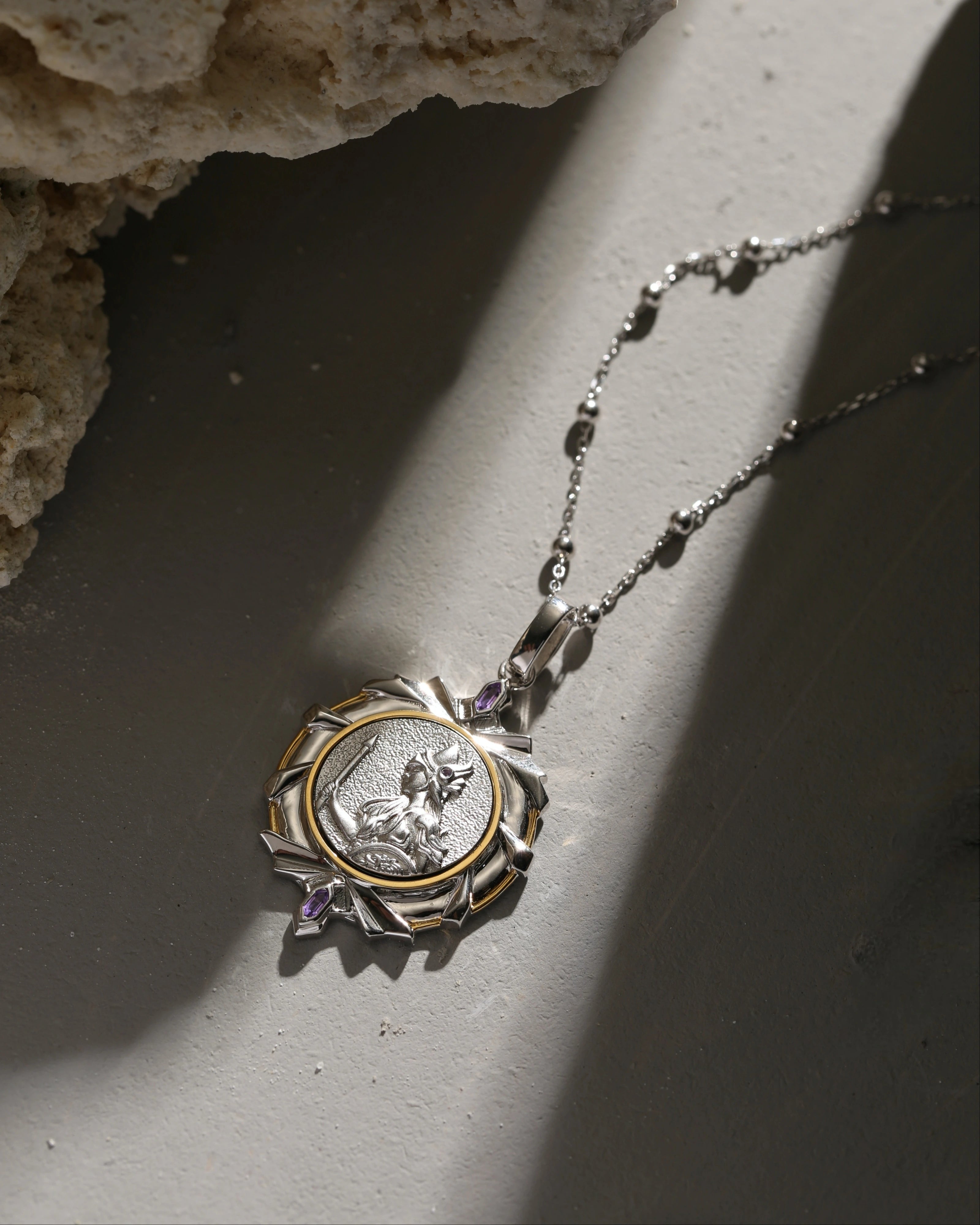
Because Lilith is such a strong archetype of selfhood and reclamation, her symbol naturally appears in spiritual jewelry. Wearing it often feels less like accessorizing and more like choosing a personal language.
6.1 Jewelry as a Personal Power Symbol
Spiritual jewelry can hold meaning because it stays close to the body and becomes part of daily awareness. When the Lilith symbol appears in jewelry, it often functions as a quiet reminder of inner strength, emotional truth, and the right to remain connected to the self. For some women, this kind of piece supports shadow work. For others, it marks a season of reclaiming voice, autonomy, or personal boundary. The value is not only visual. It comes from what the symbol helps the wearer remember.
6.2 Wearing Lilith as a Statement of Identity
Wearing the Lilith symbol can also be a statement of identity and spiritual direction. It may express independence, self-respect, or a refusal to return to old patterns of self-silencing. This is why symbolic jewelry often becomes deeply personal in feminine spiritual spaces. At VidaWheel, jewelry reflects symbolic archetypes that help women reconnect with inner wisdom and personal power. In that context, the Lilith symbol speaks to women who are learning to honor the fierce, clear, and self-aware parts of themselves rather than hiding them.
7. How to Connect With the Energy of the Lilith Goddess
Lilith’s energy is not only something to study. It can also be approached through practice, reflection, and small acts of personal honesty that strengthen inner sovereignty over time.
7.1 Shadow Reflection Practices
One way to connect with Lilith is through shadow reflection practices such as journaling, meditation, or honest emotional writing. Questions like “Where do I silence myself?” “What part of me feels unacceptable?” or “Where am I afraid of my own power?” can open meaningful inner work. Lilith energy often becomes clearer when a woman stops trying to appear endlessly agreeable and starts listening to the emotions that carry truth beneath discomfort. These practices work best when they are approached with gentleness rather than force.
7.2 Setting Personal Boundaries
Lilith can also be honored through the practical act of setting boundaries. This includes saying no without overexplaining, protecting emotional space, noticing where resentment is building, and choosing self-respect over approval. In this sense, boundary work becomes spiritual work. It helps a woman move from self-abandonment toward emotional sovereignty. Lilith reminds us that boundaries are not a rejection of love. They are often the structure that allows truth, dignity, and real connection to exist.
FAQ About Lilith Goddess and the Lilith Symbol
What does the Lilith symbol mean?
The Lilith symbol usually represents independence, shadow integration, feminine power, emotional truth, and the refusal to submit to false versions of the self. It often carries both spiritual and psychological meaning.
Is Lilith a goddess or a demon?
Historically, Lilith has been interpreted in different ways across different traditions, including as a night spirit or demonic figure in some older sources. In modern spiritual interpretation, however, many people understand Lilith more as a feminine archetype than as a literal demon. She is often reclaimed as a symbol of autonomy, shadow work, and unapologetic truth.
Why do people wear the Lilith symbol?
People wear the Lilith symbol as a form of empowerment, self-recognition, and spiritual reminder. It can represent independence, personal identity, stronger boundaries, or connection to a deeper feminine path.
What does Lilith represent in spirituality?
In spirituality, Lilith often represents shadow integration, authentic selfhood, feminine rage, boundary, desire, and the process of becoming whole by reclaiming what has been denied or pushed into the dark.

