

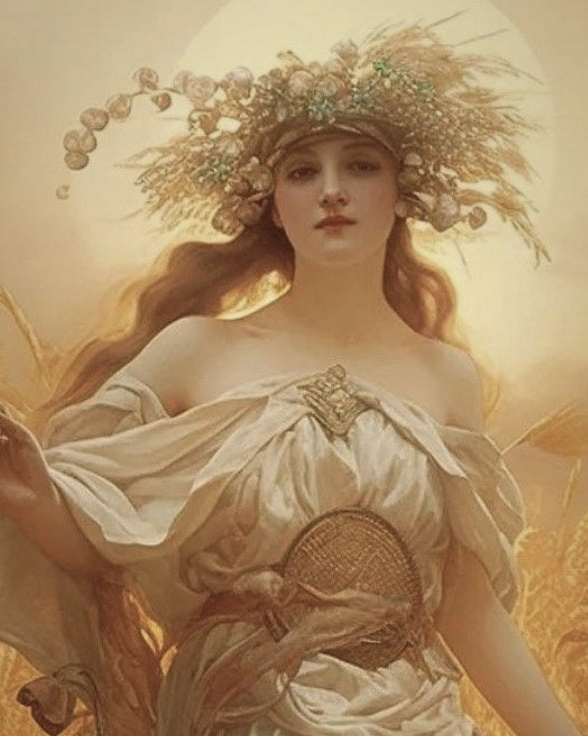
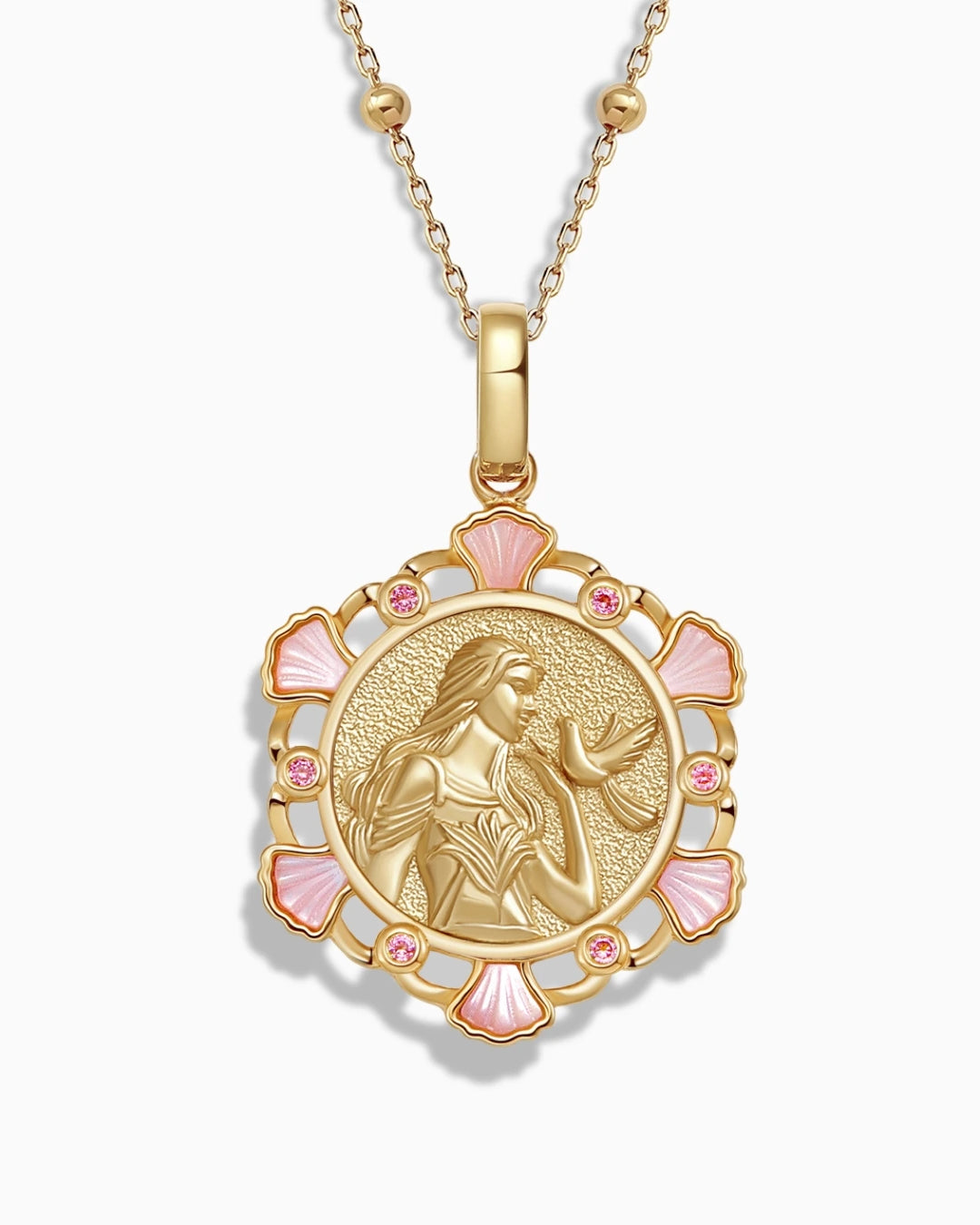

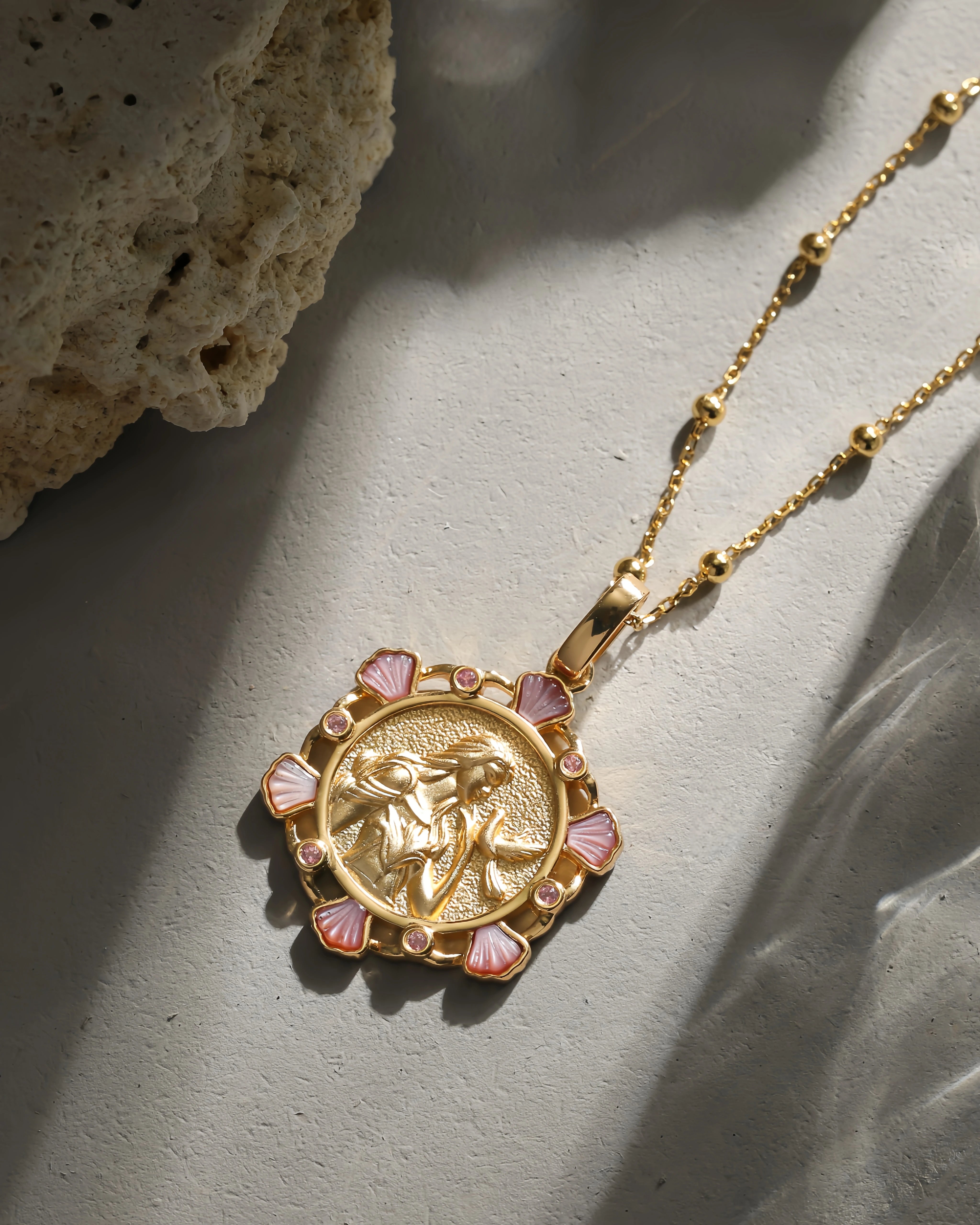
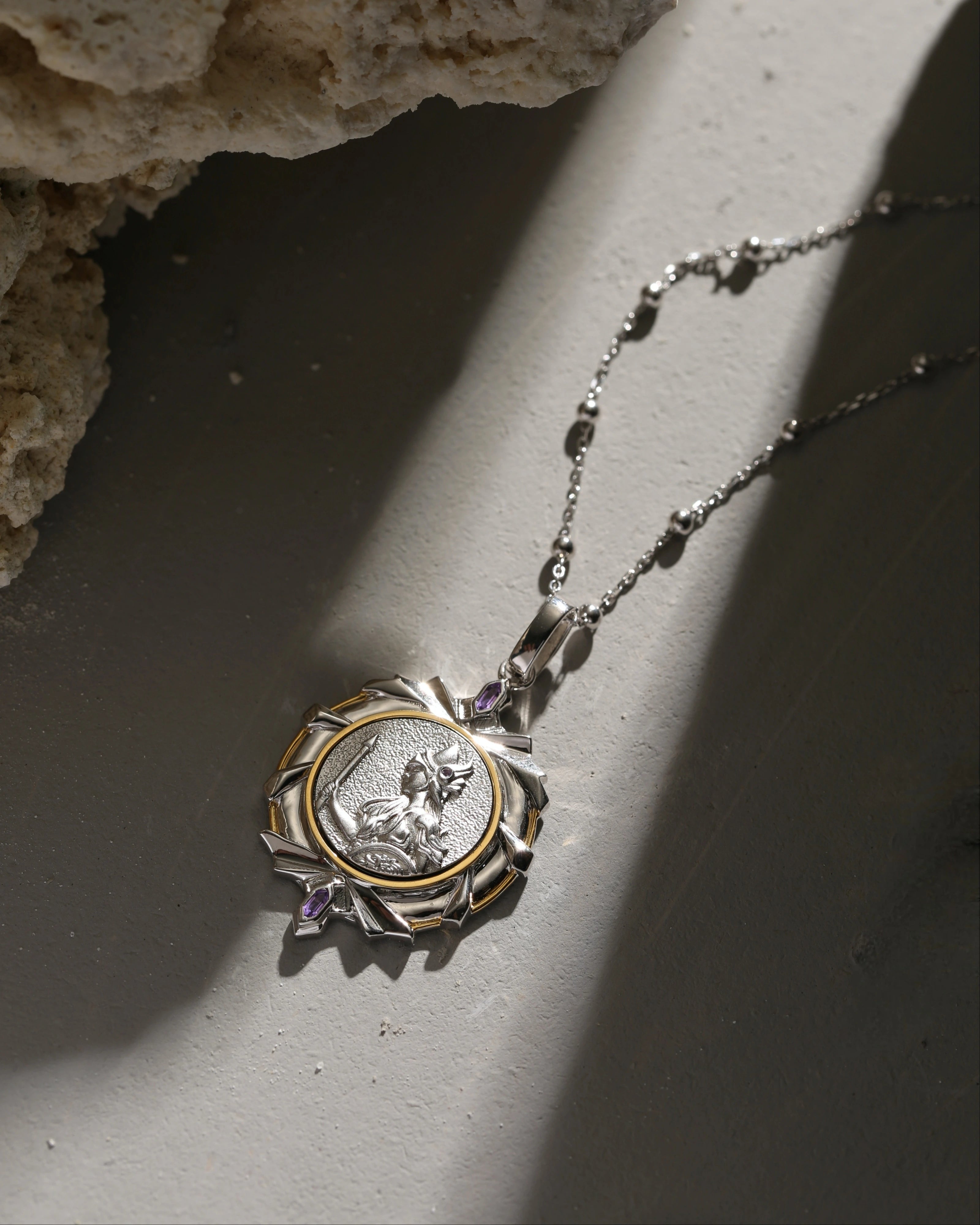


Across myths and cultures, goddesses have long symbolized different expressions of feminine power — love, wisdom, independence, intuition, and transformation.Today, these symbols are being rediscovered as goddess archetypes — inner patterns that shape how we feel, relate, and grow.
A goddess archetype sits at the meeting point of psychology and spirituality. Psychology describes archetypes as universal patterns within the human mind, while mythology gives these patterns powerful images and stories.
Through this lens, ancient goddesses become mirrors of our inner world.
Many women begin exploring archetypes when they notice repeating questions in their lives:
-
Why do I react this way in relationships?
-
Why do similar life patterns keep appearing?
-
Why do different parts of me seem to want different things?
Goddess archetypes offer a language to understand these inner dynamics — turning confusion into awareness and self-judgment into insight.
1. What Is a Goddess Archetype?
A goddess archetype is a symbolic pattern that reflects a particular way of experiencing the world. It shapes how a woman responds to love, conflict, ambition, intuition, and personal growth.
In mythology, these patterns appear as goddesses with distinct personalities and stories. In psychology, they represent recurring emotional and behavioral dynamics that exist across cultures and time.
Seen this way, a goddess archetype is not a literal deity. It is a mirror — a symbolic image that helps reveal the different energies and motivations living within us.
1.1 The Psychological Roots of Archetypes
The idea of archetypes was first popularized by the Swiss psychologist Carl Jung.
Jung suggested that certain emotional patterns are shared by all humans. These patterns live in what he called the collective unconscious, a deeper layer of the mind shaped by human history and experience.
Myths, legends, and religious symbols often express these patterns through powerful images. Goddesses, heroes, and mythical journeys all represent aspects of the human psyche.
From this perspective, goddess archetypes are not just stories about ancient gods. They are symbolic expressions of universal emotional templates that many women experience throughout life.
1.2 Why Goddess Archetypes Speak to Modern Women
Modern women often hold many roles at once — professional, partner, mother, creator, caretaker, leader, and seeker.
These identities can sometimes feel harmonious, but they can also create inner tension. A woman may feel the pull between independence and intimacy, ambition and rest, logic and intuition.
Goddess archetypes provide a language to understand these inner dynamics.
Instead of seeing these tensions as personal flaws, women can recognize them as different archetypal energies interacting within the psyche. Each archetype represents a valid way of being, and learning to recognize them can bring greater self-awareness and balance.
2. Why Goddess Archetypes Matter in Self-Healing
Many women begin exploring goddess archetypes during moments of confusion or transition.
A relationship may end in a familiar way. A career path may start to feel disconnected from the self. Or a woman may suddenly realize that she has been living according to expectations that no longer feel true.
At these moments, archetypes can offer a powerful tool for self-healing. They help reveal the deeper emotional patterns behind our choices, reactions, and relationships.
Rather than seeing life challenges as isolated problems, goddess archetypes help us recognize the recurring themes shaping our journey.
2.1 Emotional Patterns and Repeating Life Themes
Many emotional struggles follow similar themes throughout life.
Some women repeatedly attract the same type of partner. Others struggle with setting boundaries, often giving too much of themselves in relationships. Some may prioritize achievement while ignoring emotional needs, while others place love and connection above their own sense of identity.
These patterns often revolve around core themes such as intimacy, independence, sacrifice, self-worth, and belonging.
Goddess archetypes help illuminate these themes by showing how different inner energies influence the way we approach love, ambition, care, and personal power.
2.2 From Self-Judgment to Self-Understanding
Many women are used to explaining their emotional patterns through self-criticism.
You might think:
“Am I too distant?”
“Am I too needy?”
“Am I too rational?”
“Why do I always react this way?”
The language of archetypes offers a different perspective.
Instead of asking what is “wrong,” you begin asking which inner archetype is currently guiding your response. One archetype may emphasize independence, another emotional connection, another strategy or intuition.
Recognizing these patterns shifts the experience from self-judgment to self-understanding — a crucial step in any healing process.
3. The 7 Goddess Archetypes at VidaWheel and What They Represent
Across mythology, many goddesses represent different expressions of feminine power. Some embody love and creativity, while others represent wisdom, independence, devotion, or transformation.
At VidaWheel, these symbolic figures are understood as goddess archetypes — inner patterns that shape how women experience relationships, identity, purpose, and change.
Rather than treating these archetypes as fixed identities, VidaWheel views them as dynamic energies that can appear at different stages of life. A woman may recognize one archetype strongly in certain moments, while other archetypes emerge as she grows, heals, or enters new life phases.
By exploring these archetypes, women can begin to understand the deeper motivations behind their emotions, choices, and life transitions.
3.1 Why VidaWheel Works With Seven Goddess Archetypes
The number seven is not chosen at random.
Across many spiritual traditions, seven often represents completeness — a way of mapping the full spectrum of human experience.
Within the VidaWheel framework, the seven goddess archetypes reflect key dimensions of a woman’s life journey: love, relationships, independence, wisdom, nurturing, intuition, and transformation.
Together, these archetypes form a symbolic map of feminine experience. Each goddess represents a different way of responding to the world — how we love, how we lead, how we protect ourselves, and how we grow through change.
Rather than limiting identity, this system helps women recognize the many energies that already live within them.
3.2 An Overview of the 7 Goddess Archetypes
Each goddess archetype represents a different emotional and spiritual pattern that can appear throughout a woman’s life. Some archetypes emerge during periods of independence and ambition, while others arise during times of love, transformation, or deep inner change.
Understanding these archetypes can help women recognize the different energies shaping their relationships, decisions, and personal growth.
✨ Persephone — The Archetype of Transformation
-
Shadow → rebirth
-
Life transitions, loss, inner descent
-
For women who feel they are “becoming someone new”
Persephone represents the archetype of transformation and inner rebirth. Her story reflects the journey through darkness, loss, and emotional descent that often precedes personal change. Women who resonate with Persephone may feel they are moving through deep life transitions or becoming someone new. This archetype reminds us that periods of uncertainty often hold the seeds of renewal.
💕 Aphrodite — The Archetype of Love and Desire
-
Sensuality, creativity, emotional magnetism
-
Relationship patterns, self-worth, pleasure
-
Often awakens when women reclaim desire
Aphrodite embodies sensuality, creativity, and emotional magnetism. This archetype is closely connected with romantic attraction, pleasure, beauty, and the power of desire. Women guided by Aphrodite often feel deeply connected to passion, art, and emotional expression. The Aphrodite archetype frequently awakens when women begin reclaiming their right to pleasure and self-worth.
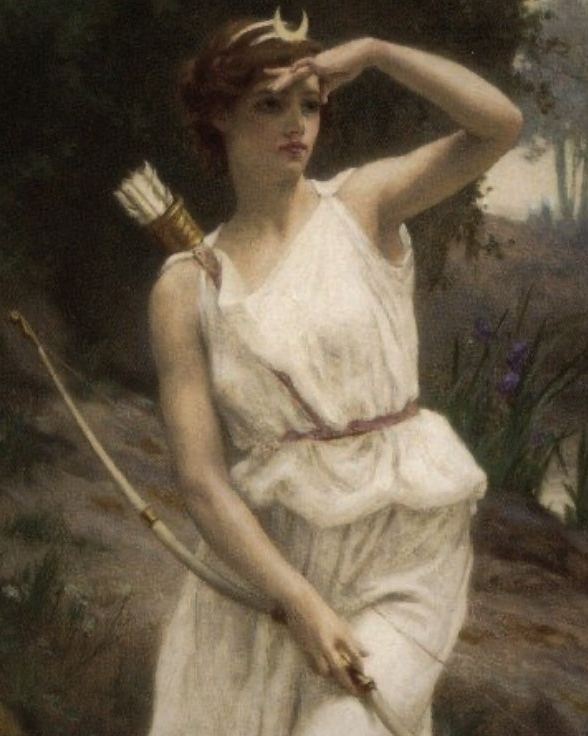
🏹 Artemis — The Archetype of Independence
-
Boundaries, freedom, sisterhood
-
For women learning to choose themselves
-
Strong in healing co-dependency
Artemis represents independence, freedom, and strong personal boundaries. Women connected with this archetype often value autonomy and the ability to choose their own path. Artemis energy is especially powerful for women learning to prioritize themselves and break patterns of co-dependency. It also reflects the spirit of sisterhood and mutual support among women.
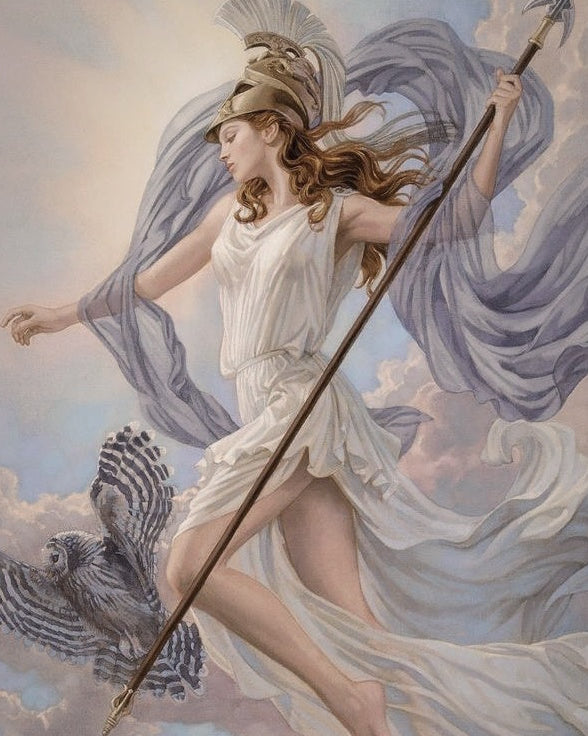
🧠 Athena — The Archetype of Wisdom and Strategy
-
Logic, clarity, decision-making
-
Career-driven, mentally strong women
-
Often dominant when emotions feel unsafe
Athena embodies intelligence, strategy, and clear thinking. This archetype often appears strongly in women who value knowledge, achievement, and professional competence. Athena energy supports logical decision-making and long-term planning. For some women, it becomes dominant during periods when emotional vulnerability feels unsafe.
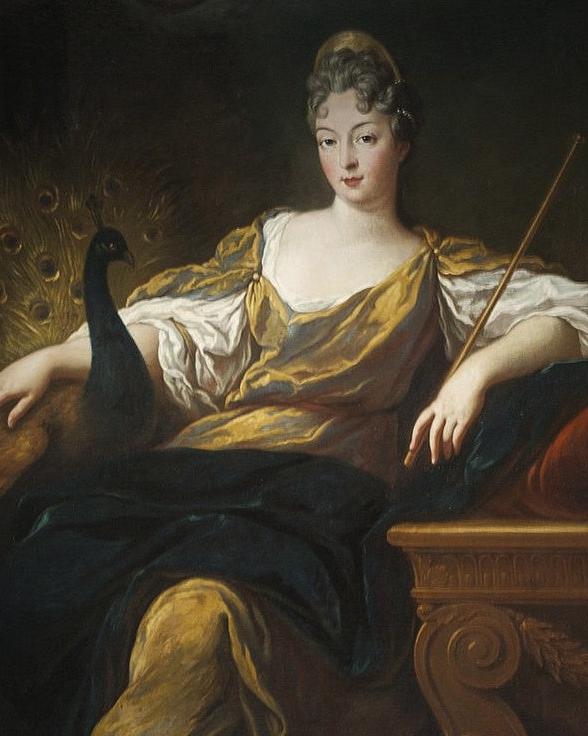
👑 Hera — The Archetype of Commitment and Sovereignty
-
Partnership, loyalty, long-term bonds
-
Wounds around betrayal and self-respect
-
Teaches sacred boundaries in relationships
Hera represents commitment, loyalty, and the desire for meaningful partnership. This archetype is deeply connected with marriage, long-term bonds, and the dignity of relational agreements. Women influenced by Hera often value stability and mutual recognition in relationships. Hera also reveals wounds around betrayal and teaches the importance of respect and boundaries.
🌾 Demeter — The Archetype of Nurturing and Devotion
-
Mothering energy, care, sacrifice
-
Over-giving, emotional exhaustion themes
-
Healing the fear of letting go
Demeter embodies nurturing energy, care, and devotion. This archetype often appears strongly in women who naturally support and protect others. While it reflects compassion and emotional generosity, it can also bring patterns of over-giving or emotional exhaustion. The Demeter journey often includes learning how to care for others without losing oneself.
🔮 Hecate — The Archetype of Intuition and Thresholds
-
Inner knowing, cycles, liminal phases
-
For women standing at crossroads
-
Strong in spiritual awakening periods
Hecate represents intuition, mystery, and the wisdom that emerges at life’s crossroads. This archetype often appears during periods of uncertainty, transition, or spiritual awakening. Women guided by Hecate may feel drawn to inner reflection and symbolic insight. She reminds us that the moments between endings and beginnings can hold profound guidance.
3.3 You May Carry More Than One Goddess Archetype
When women first learn about goddess archetypes, a common question appears: “Which one am I?”
In reality, most women carry several archetypal energies at once. Usually, one archetype becomes the dominant pattern shaping your current choices and relationships, while one or two others remain quieter or less expressed.
These hidden archetypes may emerge later as life circumstances change or as new parts of yourself begin to develop.
Understanding this helps release the pressure of trying to fit into a single label. Instead, archetypes become a way to explore the different energies within you.
If you’re curious which archetype is currently most active in your life, a goddess archetype quiz can help reveal it.
4. Goddess Archetypes in Love, Career, and Life Choices
Goddess archetypes are not only symbolic ideas. They often appear in very practical areas of life, especially in relationships, career decisions, and personal direction.
By recognizing which archetypal energy is active, women can begin to understand why they respond to love, work, and life choices in particular ways. What once felt like random patterns can start to reveal a deeper inner logic.
4.1 Relationship Patterns and Attachment Styles
Many women notice that they repeatedly attract similar types of partners or experience similar relationship dynamics.
Sometimes the pattern may involve over-giving, difficulty setting boundaries, or feeling drawn to emotionally unavailable partners. These dynamics often reflect deeper archetypal energies shaping how a woman experiences intimacy and attachment.
Understanding these patterns through goddess archetypes can help reveal why certain relationships feel familiar — and how new relational choices can begin to emerge.
4.2 Career Motivation and Inner Authority
Archetypes can also influence how women approach ambition, leadership, and personal purpose.
Some women feel driven by achievement, strategy, and intellectual mastery. Others are motivated by creativity, care for others, or a desire to create meaningful change.
Recognizing your dominant archetypal energy can reveal whether your career choices are guided more by external achievement or by a deeper sense of meaning and inner authority.
5. How to Discover Your Goddess Archetype
Understanding goddess archetypes often begins with curiosity. Many women start recognizing parts of themselves in different mythic figures — the independent Artemis, the strategic Athena, or the passionate Aphrodite.
But identifying your archetype is not about choosing the one you admire most. It is about observing the emotional patterns that are already shaping your life.
5.1 Why Intuition Alone Is Not Enough
Many people try to identify their archetype purely through intuition. They choose the goddess they admire or the one that feels inspiring.
However, the archetype we want to embody is not always the one that is currently guiding our behavior.Our dominant archetype is often revealed through recurring patterns — how we approach relationships, how we respond to conflict, and what drives our decisions.A more structured reflection can help reveal these patterns more clearly.
5.2 Take the Goddess Archetype Quiz
If you’re curious about which goddess archetype is currently guiding your life, you can explore it through the Goddess Archetype Quiz by VidaWheel.
This experience helps reveal your dominant archetype and the emotional themes shaping your journey. It offers a gentle starting point for understanding the patterns behind your relationships, motivations, and personal growth.
6. How VidaWheel Works With Goddess Archetypes
VidaWheel approaches goddess archetypes not as rigid personality labels, but as a language that helps women understand their inner experiences. The goal is not to define who a woman is forever, but to offer a way to recognize the emotional patterns and life themes she may be moving through.
6.1 Goddess Archetypes as a Healing Language
Within the VidaWheel framework, goddess archetypes are used as a gentle tool for self-awareness. Instead of creating pressure or telling women who they should become, the system helps women recognize what they may already be experiencing emotionally.
When a woman can name the archetypal pattern present in her life, confusion often turns into clarity. The archetype becomes a mirror that helps her understand her reactions, relationships, and personal transitions with greater compassion.
6.2 From Awareness to Daily Ritual
VidaWheel also encourages turning awareness into small daily practices. Some women choose symbolic jewelry as a physical reminder of their current archetype, while others explore guided reflections or archetype-based insights.
These practices can become simple rituals — gentle moments of reflection that reconnect a woman with her inner world and the archetypal energies shaping her journey.
7. FAQ About Goddess Archetypes
Is a goddess archetype a personality test?
A goddess archetype is not meant to function as a fixed personality label. Instead, it reflects emotional patterns and inner energies that may be more active during certain phases of life.
Unlike traditional personality tests, archetypes are fluid. They help illuminate how different parts of the psyche express themselves, rather than placing a person into a permanent category.
Can my goddess archetype change over time?
Yes. Archetypes often shift as a woman moves through different life experiences.
Periods of independence, love, loss, or personal transformation may activate different archetypal energies. These shifts are not contradictions — they are often signs of growth and evolving self-awareness.
Is this spiritual or psychological?
Goddess archetypes exist at the intersection of psychology and spirituality.
Psychology helps explain archetypes as universal patterns within the human mind, while spiritual traditions and myths provide symbolic stories that give these patterns meaning and imagery.
Together, they offer a richer language for understanding the inner world.
Do I need to believe in mythology?
Not at all. Goddess archetypes do not require belief in mythology or ancient gods.
The myths simply serve as symbolic stories that help illustrate emotional patterns. What matters most is curiosity about your own inner experiences and the patterns shaping your life.

